DIY Lash Extensions: A Professional Report on Risks and Realities
At-home lash extension kits are booming. This report examines the trend honestly — the appeal, the risks, and what it means for professional brands and salons.
Published by Cosmetic Glue Co
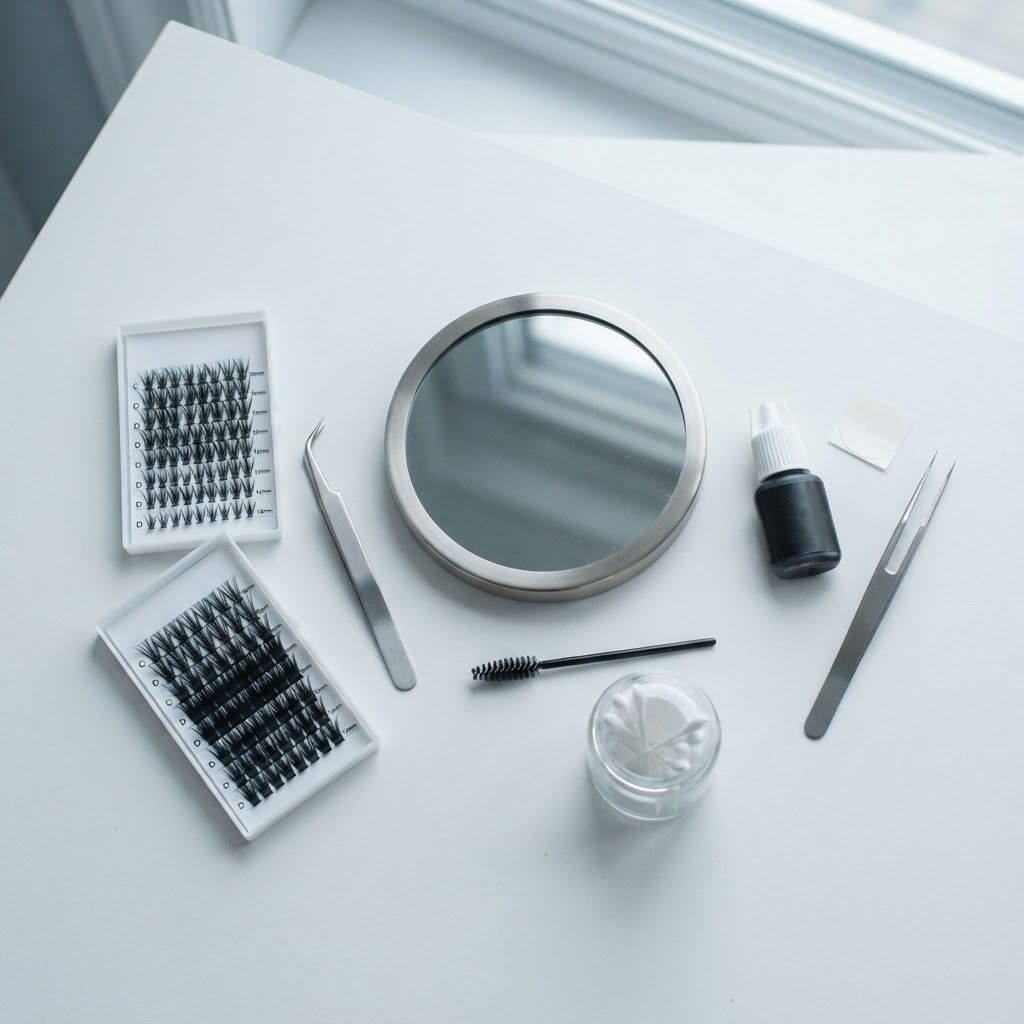
DIY lash extension kits — usually cluster or segment lashes applied at home with a bond-and-seal adhesive system — have grown rapidly, driven by social media, cost savings and convenience. For consumers, the appeal is obvious: a fraction of the price of a salon set, applied on their own schedule. For professionals and brands, the trend raises important questions about safety, quality and where the real opportunity lies. This report looks at both sides honestly.
Why DIY lash extensions are booming
- Cost — at-home kits are far cheaper than a professional set with regular infills.
- Convenience �� no appointments, applied whenever it suits the user.
- Reusability — many cluster kits are designed to be removed and reapplied.
- Social media — tutorials and influencer content have normalised at-home application.
The real risks
The convenience of DIY kits comes with genuine risks, most of which trace back to product quality and lack of training. The area around the eye is delicate, and adhesives used incorrectly — or adhesives that are poorly formulated — can cause real harm.
- Allergic reactions and irritation, particularly from low-quality or non-compliant adhesives.
- Eye injury from adhesive contact due to a lack of professional technique.
- Damage to natural lashes from improper application or removal.
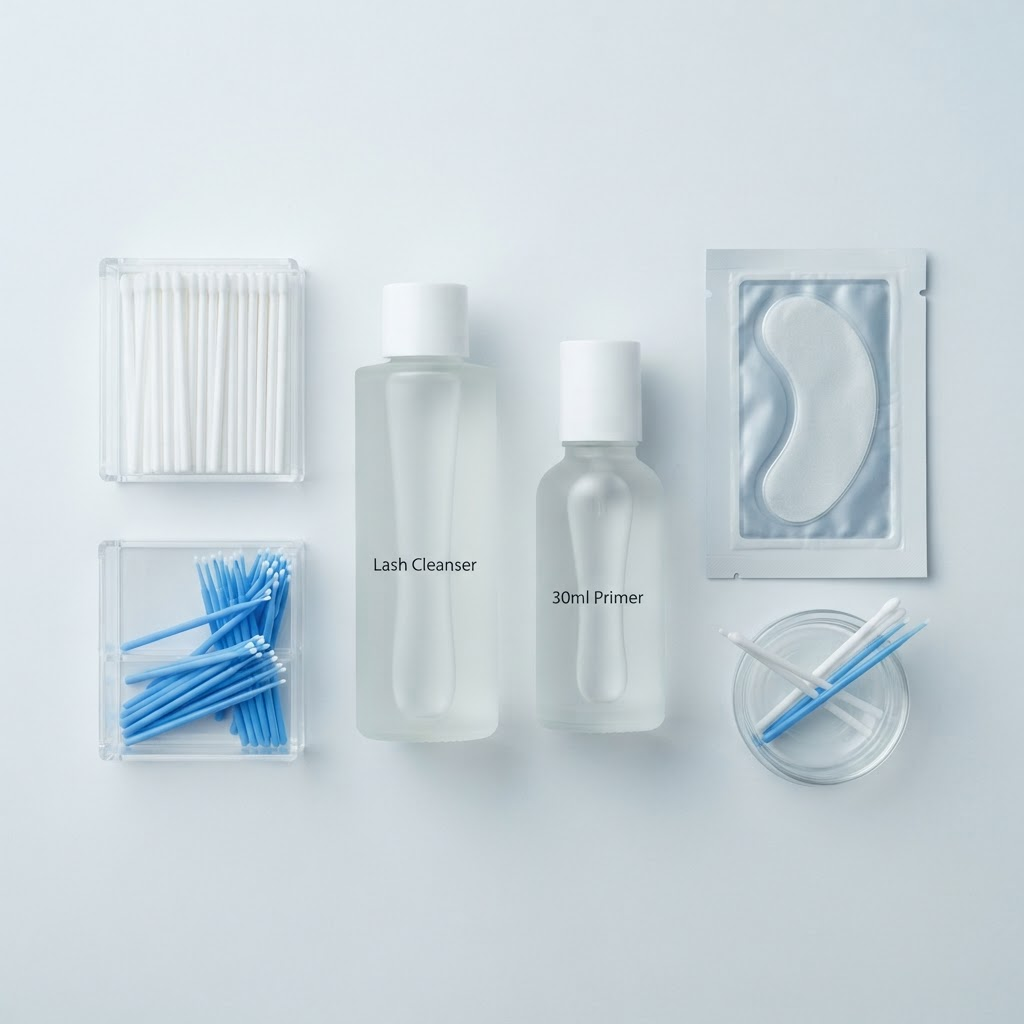
- Infection risk from non-sterile tools and poor hygiene.
- Unclear or absent ingredient and safety information on cheap imported kits.
The adhesive is the critical factor
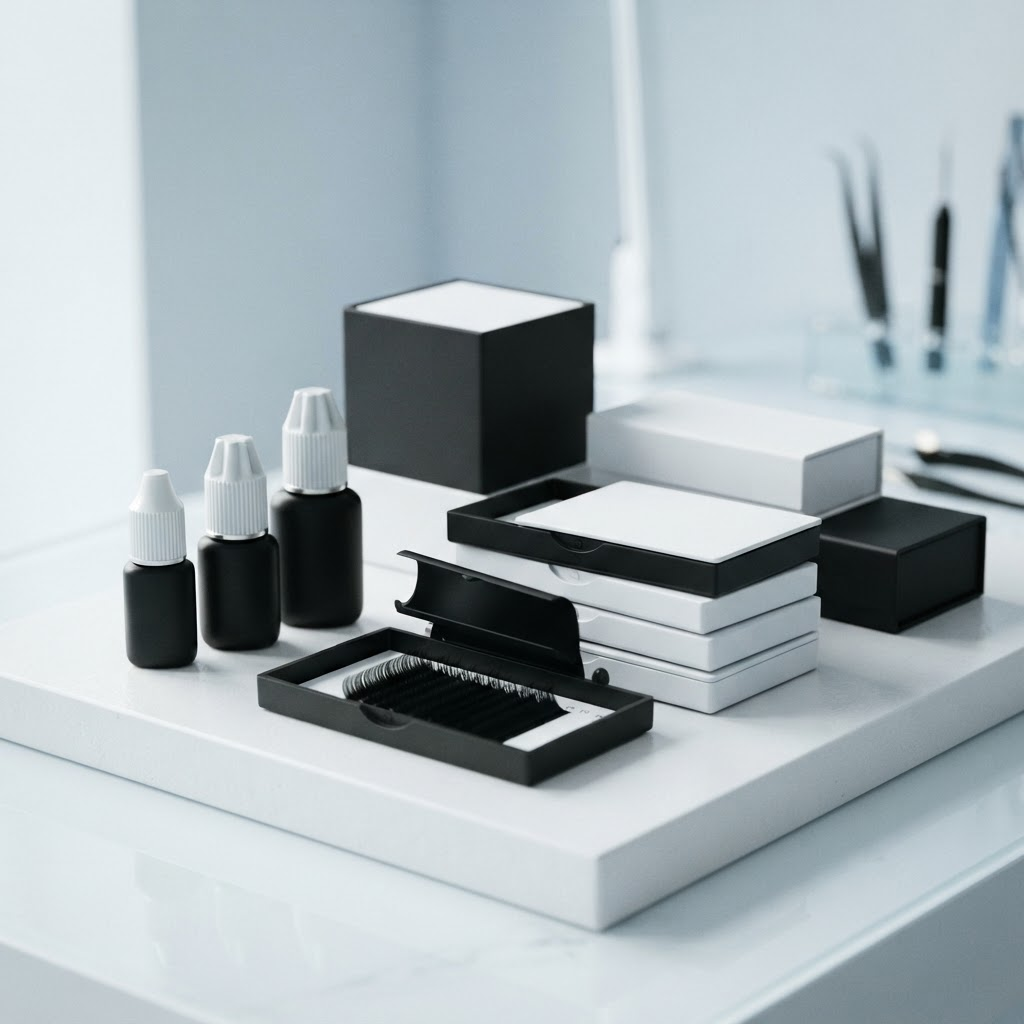
The biggest variable in DIY safety is the adhesive. Many low-cost kits use unregulated, poorly disclosed adhesives with no safety data sheet and no compliance documentation. A DIY-appropriate adhesive should be specifically formulated for at-home, non-professional use — with an appropriate drying time, low-irritant profile, and clear instructions — and it must still meet cosmetic safety regulations. The difference between a safe kit and a risky one usually comes down to the quality of the glue.
Whether a kit is used by a professional or a consumer, the adhesive must be cosmetic-compliant and supplied with proper safety documentation. Compliance is not optional simply because a product is sold for home use.
What this means for brands and salons
The DIY trend is not going away, and there is a clear opportunity for responsible brands to serve this market safely. Rather than dismissing at-home users, forward-thinking brands are launching their own DIY kits built on compliant, well-formulated adhesives with clear instructions and honest safety guidance. Salons, meanwhile, can position professional application and correction services as the premium, safer choice — and offer their own retail kits for clients who want an at-home option between visits.
Building a safe DIY product with a trusted manufacturer
If you are considering launching a DIY lash range, the foundation must be a compliant, well-formulated adhesive from a regulated manufacturer. We produce cosmetic adhesives in UK and EU facilities that comply with EU Cosmetic Regulation 1223/2009, UK Cosmetic Directives and FDA MOCRA, with full safety data sheet documentation, and we offer private label and white label manufacturing to bring safe, professional-grade DIY kits to market under your own brand.
Start your own brand with private label
Private label and white label manufacturing to launch your own adhesive range.